with dawn
into my view
on the wing of the ocean breeze
up-wind riding
came an air-faring mariner
wingspan in full command
on the lightness of air
with tail fluting ripples of gold
a frisson of dawn-light
shimmering
it hovered like a sky-cheetah
in search of its prey
and held me
then away on air currents it soared
leaving me lead-footed
in wet sand
there is nothing poetic here
a language I cannot understand
faces I cannot read
ways I do not comprehend
only the cicadas I know
yet even their stinging ring
is alien to my ear.
Tokyo, Japan – The bustling Tsukiji Market, is the largest wholesale fish and seafood market in the world. Although best known for its seafood, the market also sells vegetables, fruit, beef and poultry and sweets and sweets and sweets. It handles more than 400 different types of seafood and employes more than 60,000 people. Together with two other Tokyo wholesale markets Tsukiji Market handles an incredible 675,000 tons of marine products a year.
tokyo markets
1
jammed with strolling locals
baskets and bags knocking and nodding
bustling shoulder to shoulder
the markets absorb
and huddle the people
here it’s about the splurge of living
here life pulsates
under swaying red lanterns
a lively buzz and brackish tang
lures me
to a cool sea-wash briny world
octopus tuna and sword fish
on rock salt and ice
eyes stare blankly
lobsters tap panic-like the glass of the tank
mackerel beat their tails in a shallow dish
crabs crawl and clamour over each other
a gasping fish with throbbing gills
waits on a sacrificial wet grey-scale altar
deep guttural cries of skilled hands
in wet galoshes and plastic caps
tout their wares sharpening their knives
a willow of a boy in the corner
with kokoro and pride in his stance
chants a mantra to buy his shrimp
his shrill soprano voice
in harmony with the rhythm of the sea
catches me as water sloshes underfoot
2
vendors flaunt boxes of sweets
their chants like a rehearsed choir
blend in harmony
pasted deep red azuki beans
coloured in chestnut hydrangea blue
cherry blossom peach and grape
are jellied and displayed to allure
the pied pipers of the food markets
in coloured caps cry out oishi oishi
and woo with samples on bamboo toothpicks
from sizzling pans and hot plates
crisp aromas that waft
crowds swarm like bees to a hive
at displays of tempura teriyaki sushi and soba
each on a bed of fringed green plastic leaves
i am immersed in the chaos of humanity
and feel at home
kokoro: with heart feeling energy
oishi: delicious
azuki beans: red skinned sweet beans, basis of most japanese sweets
today a dusty sun slants sepia light
an eerie still scene of a shanty town
on the outskirts of Lima in Peru
monotone brown
ruins rubble rubbish scant vegetation
brown dusty brown
the dispossessed
in makeshift shelters
never ending palette of desolation
here on the outskirts of Lima
like a barnacled mass they cling
one night ten years ago
in india
i lay in your arms weeping for the poor
having seen the sorrow in a mother’s eyes
felt the touch of a begging hand
and i asked why
here they do not look
they turn away
a water truck comes
to refill drums
for those who can afford water
earlier it had freely watered green grass
of our resort with its luxury pool
when i walk away
i do not weep
answers would choke with dust
i don’t even know the questions
just crave your arms around me
against this inequality
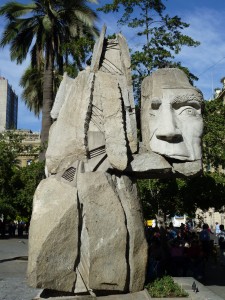
black marble horsemen
with helmets medals and guns
celebrating the history of conquests
dominate santiago’s plaza des armas
yet i’m drawn by an abstract monument
catching morning light
history’s cry is its caption
without our land there is no life
its massive basalt boulders
circle like a gossip of standing stones
and mounted high
on a roughly hewn second tier
chiselled cracked and cut
as if lightening spilt the rocks
a shadowed noble face
bigger than life
its carved wistful eyes
look beyond the plaza people pigeons
to the mountain
once home of the mapuche people
around its base children play
lovers cuddle adults chatter
while first people still with indomitable spirit
bear memories of dispossession
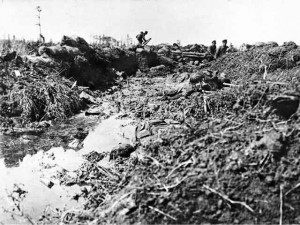
In 2009 – mass graves began to be exhumed, remains being identified and laid to rest with honour: it brings to the fore once again a story of the worst 24 hours in Australian history, july 19th 1916.
5,533 Australian casualties in one night and with no ground taken.
fromelles 2009
time
exposes
bones
in no mans land !
stories shout
from mass graves